








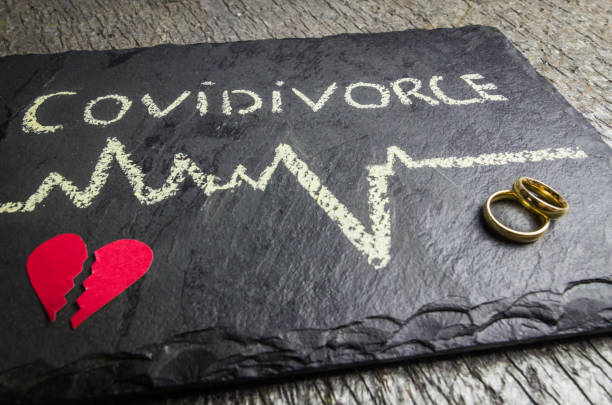
Divorce can be an emotionally draining and challenging experience. But the pain is magnified when divorce occurs unexpectedly. It is still possible to move forward and heal despite the pain.
This article will provide you with powerful tips on how to recover from a divorce that you did not want. Implementing these tips will help you begin your divorce recovery journey. You can reclaim life with renewed strength.
Understanding the emotional impact of a divorce
You may be left with intense feelings after a divorce that you did not want. Sbarra, among others, say that feelings of anger, betrayal, shock, disbelief, and sadness may overtake you at this time.
You can navigate your way to recovery after divorce by recognizing that these feelings are a normal response to a sudden end. Self-compassion and patience are essential for healing after a divorce. It would help if you allowed yourself to grieve and process your loss.
We will discuss practical tips to help you get over the divorce you didn’t want.
Tips for Healing from a Divorce You Didn’t Want
It’s essential to have a plan for moving forward and healing after a divorce that you did not want. Here are seven tips to help you recover after a divorce you didn’t choose.
Grieve and grieve your lossPermit yourself to feel and express your feelings. You can experience various emotions like anger, sadness, and confusion. It would help if you took the time to grieve the loss of your relationship and accept that healing is a long process that takes patience and self-compassion ( Leopold 2018).
Seek assistance
How do you get through a divorce that you don’t want?
Contact trusted family members or friends who will listen and provide understanding. If needed, seek therapy or counseling to help you reframe your negative thoughts.
Self-care is the focus
Take care of yourself. Take part in activities that make you happy and give you a feeling of fulfillment. Try mindfulness, meditation, or journaling to process your emotions and thoughts.
Set new boundaries and a routine
During divorce recovery, setting limits and creating a new routine is essential. Decide what you need for your well-being, and express your needs.
Positive coping mechanisms are essential
In their article, Reiter, and others, suggested that instead of using destructive coping methods like excessive drinking or isolation, you should focus on healthier alternatives.
Further, they recommend engaging in activities that bring you peace, fulfillment, and joy, such as hobbies or exercising in nature. These will help you heal and move on from divorce.
Negative thoughts are not worth it
How can you cope with divorce even if it’s not what you wanted?
Divorce may cause a flood of negative thoughts and even self-doubt. Self-compassion and affirmation can help you to overcome these destructive patterns. Remind yourself about your resilience and strengths.
Take the Future into your hands
It may be challenging to look beyond the pain, but it is essential to embrace the possibilities. You can dream, create new goals and imagine a fulfilling life. Focus on your personal growth and take small steps to rebuild your life.
How do you heal after a divorce that you didn’t desire?
Remember that healing and recovery after divorce takes time. Celebrate even the most minor victories. You can heal and move forward after a divorce that you did not want by following these tips and remaining committed to your health.
Frequently asked questions
We answer some of the most common questions about healing from a divorce you didn’t choose. This information is provided to provide you with any additional information or information that may be needed.
How can I accept the end of my marriage
Accepting the end of a marriage can be a difficult and complex process. Allow yourself to grieve and feel the loss. You can seek support from family members or professional counselors to help you through this difficult time.
Explore new interests and slowly accept that moving forward is essential for personal growth.
What are the five stages of divorce
According to Elisabeth Kubler Ross, a researcher, the five phases of divorce are:
Initial denial or disbelief about the divorce may occur.
As emotions are processed, anger and resentment may arise.
Negotiation: People may try to find ways to save the marriage or negotiate.
As the divorce is finalized, depression, sadness, and despair can emerge.
Acceptance: Moving forward and healing can be achieved by accepting the divorce and its new reality.
Will divorce pain ever disappear
Divorce pain may not disappear completely, but over time it will lessen. Moving on and healing after divorce are gradual processes.
Self-care and professional assistance can help individuals cope with pain, build resilience and find new sources of happiness and fulfillment. Finding acceptance and peace can be achieved by each person on their unique journey.